Understanding Bilateral Prophylactic Salpingo-Oophorectomy: A Critical Guide to Women’s Health and Preventive Care
In the realm of gynecological health and preventive medicine, few procedures have garnered as much attention and relevance as the bilateral prophylactic salpingo-oophorectomy. This surgical intervention, often abbreviated as BPSO, involves the strategic removal of both fallopian tubes and ovaries to reduce the risk of certain cancers in women with elevated genetic or familial risks. At drseckin.com, our team of experienced obstetricians & gynecologists specializes in providing comprehensive care, counseling, and surgical interventions that optimize women's health outcomes. This article delves deep into the intricacies of bilateral prophylactic salpingo-oophorectomy, exploring its medical rationale, procedures, benefits, risks, and implications for women seeking preventive health strategies.
What Is Bilateral Prophylactic Salpingo-Oophorectomy?
Bilateral prophylactic salpingo-oophorectomy is a preventive surgical procedure primarily aimed at reducing the risk of ovarian and fallopian tube cancers in women who are genetically predisposed to these malignancies. The term itself refers to the bilateral removal (both sides) of the salpinges (fallopian tubes) and oophor (ovaries), typically performed without the presence of current cancer diagnoses.
This procedure is often recommended for women with BRCA1 or BRCA2 gene mutations, who possess a strong family history of ovarian, fallopian tube, or breast cancers, or other high-risk genetic syndromes. The intervention is considered a highly effective risk-reducing strategy that can significantly lower the chance of developing gynecological cancers among high-risk individuals.
The Medical Rationale Behind Bilateral Prophylactic Salpingo-Oophorectomy
The rationale for bilateral prophylactic salpingo-oophorectomy stems from robust scientific evidence indicating the fallopian tubes as a potential origin site for high-grade serous ovarian cancers—a predominant and deadly form of ovarian cancer. Discoveries over recent years suggest that many ovarian cancers originate in the fimbrial end of the fallopian tubes before spreading to the ovaries and peritoneal cavity.
Genetic factors, such as BRCA mutations, greatly increase the lifetime risk of developing ovarian and related cancers. For women with these genetic risks, preventive removal of the fallopian tubes and ovaries offers a proactive approach to cancer risk management, effectively reducing incidence and improving survival rates.
Additionally, hormone status and menopausal considerations influence the timing and decision for this surgery, as removal of ovaries induces surgical menopause. Therefore, careful counseling and individualized risk assessment are crucial parts of management.
Who Is an Ideal Candidate for Bilateral Prophylactic Salpingo-Oophorectomy?
Not every woman needs or should undergo bilateral prophylactic salpingo-oophorectomy. The procedure is primarily reserved for women who are at high genetic or familial risk for ovarian or fallopian tube cancers. Ideal candidates include:
- Women with confirmed BRCA1 or BRCA2 gene mutations.
- Women with a strong family history of ovarian, fallopian tube, or high-grade serous cancers.
- Women diagnosed with hereditary cancer syndromes such as Lynch syndrome.
- Women over the age of 35-40 who have completed childbearing, considering the long-term health benefits of risk reduction.
- Women who are contemplating risk-reduction strategies after thorough genetic counseling and consultation with healthcare professionals.
It's important to understand that bilateral prophylactic salpingo-oophorectomy is a preventive measure. It is not used as a treatment for existing cancer; rather, it aims to lower the risk of developing cancer in high-risk populations.
The Procedure: What to Expect During Bilateral Prophylactic Salpingo-Oophorectomy
Preoperative Evaluation and Counseling
Before the procedure, patients undergo comprehensive assessments, including genetic counseling, imaging studies, and blood tests. Discussions involve understanding the risks, benefits, hormonal implications, and alternative options. Informed consent is a critical step, empowering women to make educated decisions about their health.
Surgical Technique
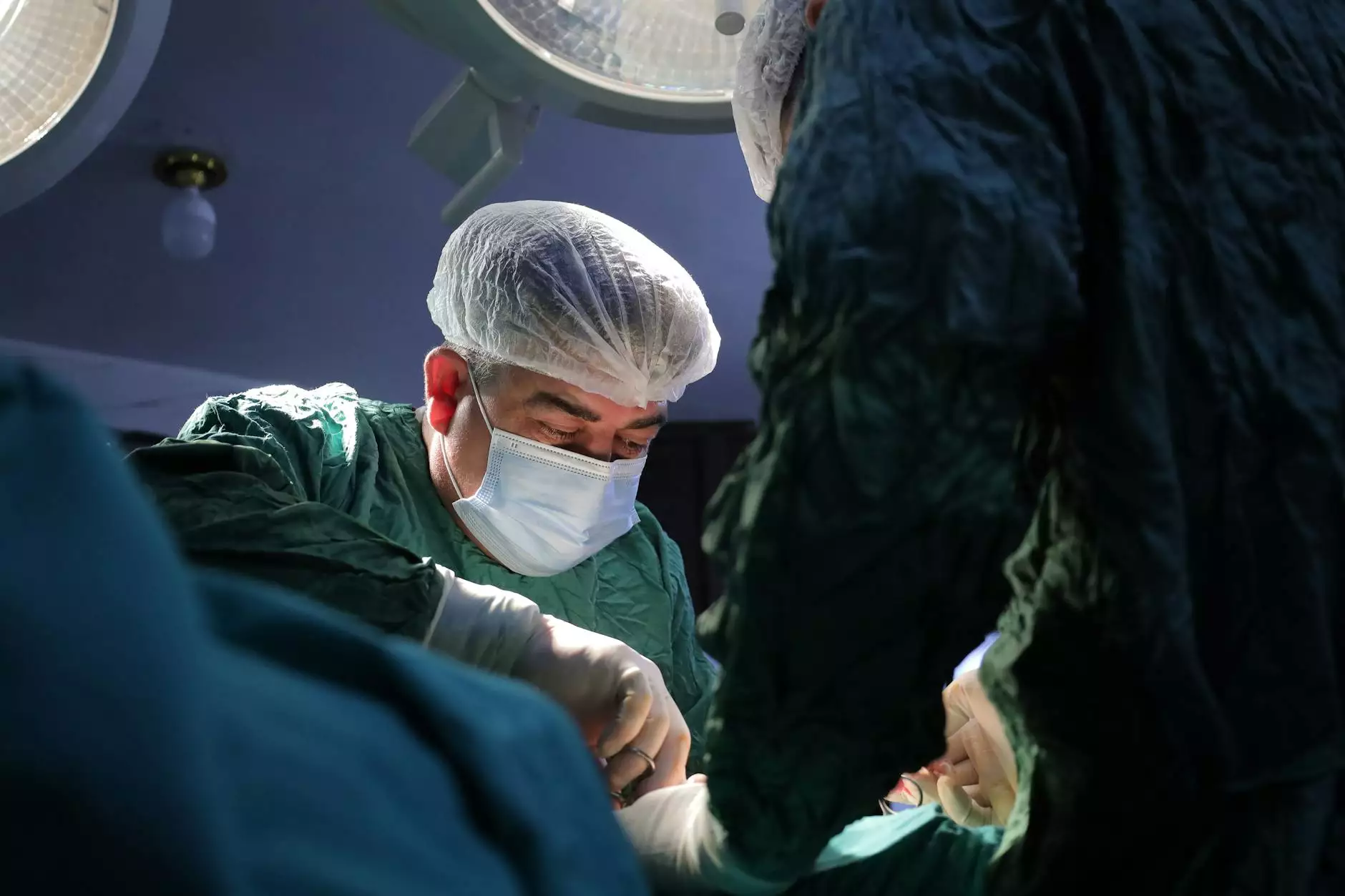
The bilateral prophylactic salpingo-oophorectomy is typically performed laparoscopically, which is minimally invasive and offers advantages such as reduced postoperative pain, shorter hospital stay, and quicker recovery. In some cases, an open abdominal approach may be necessary, especially in complex situations.
During the procedure, the surgeon carefully removes the fallopian tubes and ovaries, ensuring complete excision while minimizing damage to surrounding tissues. The removed tissues are sent for histopathological examination to rule out any occult cancers or precancerous lesions.
Postoperative Care and Follow-Up
Recovery from laparoscopic bilateral prophylactic salpingo-oophorectomy generally involves minimal discomfort, with patients returning to normal activities within a few days. Hormonal adjustments may be necessary, depending on the patient’s age and menopausal status. Follow-up appointments assess healing, discuss pathology results, and plan for long-term management, including hormone replacement therapy if indicated.
Benefits of Bilateral Prophylactic Salpingo-Oophorectomy
The primary benefit of this preventive surgery is a profound reduction—up to 80-95%—in the risk of ovarian, fallopian tube, and related cancers among high-risk women. Additional advantages include:
- Significant increase in overall survival rates for women with hereditary cancer risk.
- Potentially reduces the risk of breast cancer in BRCA mutation carriers.
- Provides peace of mind for women with strong genetic predispositions.
- May contribute to early detection and better management of occult or preclinical cancers.
Risks and Considerations Associated with the Procedure
Despite its benefits, bilateral prophylactic salpingo-oophorectomy carries inherent surgical risks and long-term considerations. These include:
- Standard surgical risks: bleeding, infection, injury to surrounding organs.
- Induction of surgical menopause, leading to hot flashes, mood swings, decreased libido, osteoporosis, and cardiovascular risks if hormone replacement isn't used appropriately.
- Potential impact on fertility if performed before menopause and after childbearing.
- The psychological effects of preventive surgery and menopausal induction.
The decision to undergo this surgery must involve thorough counseling, weighing the benefits against the potential health and emotional implications. Personalized treatment planning and support are indispensable components of optimal care.
Long-Term Management and Lifestyle Adjustments
Post-surgery, women should engage in regular health screenings, bone health management, and cardiovascular health monitoring. Lifestyle modifications such as balanced diet, regular weight-bearing exercise, smoking cessation, and adequate vitamin D and calcium intake are vital to mitigate long-term risks associated with surgical menopause. Additionally, hormone replacement therapy (HRT) may be considered to address menopausal symptoms and reduce osteoporosis risk, under close medical supervision.
Psychological support and counseling can help women adapt to life after surgery, especially considering the hormonal and emotional shifts associated with menopause.
Choosing the Right Healthcare Provider: Why Expertise Matters
The success of bilateral prophylactic salpingo-oophorectomy depends heavily on the expertise of the surgical team. At drseckin.com, our doctors, obstetricians & gynecologists possess extensive experience in performing preventive gynecological surgeries, especially for high-risk women. Our multidisciplinary approach ensures tailored counseling, precise surgical techniques, and compassionate follow-up care.
When considering prophylactic surgery, selecting a provider with proven expertise in hereditary cancer syndromes and minimally invasive techniques enhances safety and outcomes.
Conclusion: Empowering Women Through Informed Decisions & Preventive Care
bilateral prophylactic salpingo-oophorectomy epitomizes the advances in personalized medicine, offering women with heightened genetic risks a powerful tool to prevent potentially life-threatening cancers. This proactive intervention embodies a commitment to women’s health, empowerment, and longevity. At drseckin.com, our dedicated team is committed to guiding women through complex decisions with expert knowledge, compassionate care, and advanced surgical options.
If you or a loved one face a significant hereditary risk for ovarian or fallopian tube cancer, consult with experienced specialists to explore whether bilateral prophylactic salpingo-oophorectomy aligns with your health goals and life plans.
Contact Us Today for Expert Gynecological and Preventive Care
To learn more about bilateral prophylactic salpingo-oophorectomy, personalized risk assessment, and surgical options, schedule a consultation with our expert team at drseckin.com. Our focus is on empowering women with knowledge and providing the highest quality care to safeguard your health today and in the future.
bilateral prophylactic salpingo oophorectomy